Hyperlocal Data: The Key to Smarter Florida Communities


Understanding Hyperlocal Data
In recent years, the concept of hyperlocal data has gained traction, especially in communities across Florida. But what exactly is hyperlocal data? It refers to information that is specific to a very precise geographical area, often down to the neighborhood or even street level. This granularity allows for more tailored solutions and insights, making it a valuable asset for creating smarter communities.
The importance of hyperlocal data cannot be overstated. By leveraging such data, municipalities can make more informed decisions that directly address the unique needs of their communities. This leads to improved services, better resource allocation, and enhanced quality of life for residents.

The Benefits of Hyperlocal Data
Enhanced Public Services
Hyperlocal data plays a crucial role in enhancing public services. By understanding the specific characteristics and needs of a community, local governments can optimize services such as waste management, public transportation, and emergency response. For instance, analyzing traffic patterns can lead to more efficient public transit routes, reducing congestion and travel time for residents.
Improved Urban Planning
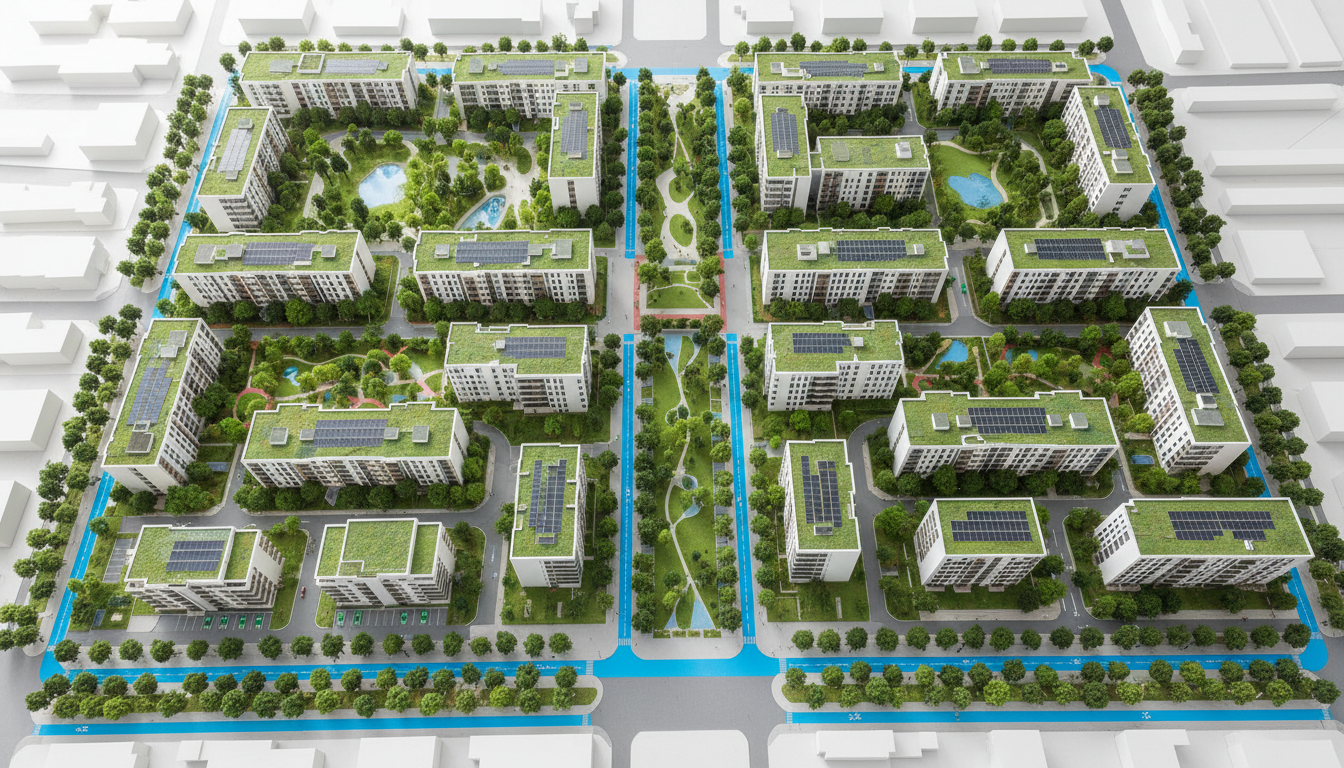
Urban planning is another area where hyperlocal data proves invaluable. Planners can use this data to identify areas needing infrastructure improvements, such as roads, parks, or utilities. This targeted approach ensures that investments yield the highest possible return and contribute to the sustainable growth of the community.
Hyperlocal Data in Action
Boosting Local Economies
Businesses can also benefit from hyperlocal data by tailoring their products and services to meet the specific demands of their areas. Local retailers, for example, can adjust their inventory based on the preferences of nearby residents, thereby increasing customer satisfaction and boosting sales.
Moreover, hyperlocal data can assist in identifying new business opportunities. By analyzing consumer trends and spending habits, entrepreneurs can make informed decisions about where to open new locations or which markets to target.

Environmental Impact
Hyperlocal data can also contribute to environmental sustainability. By monitoring local environmental conditions, such as air and water quality, communities can implement targeted initiatives to address pollution and other ecological challenges. This proactive approach helps preserve Florida's natural beauty and ensures a healthier environment for future generations.
Implementing Hyperlocal Data Solutions
For communities looking to harness the power of hyperlocal data, the first step is to invest in the necessary technology and infrastructure. This includes deploying sensors, collecting data from various sources, and utilizing advanced analytics tools to interpret the information.
Collaboration is also key. Local governments, businesses, and residents must work together to share data and insights, fostering a culture of transparency and innovation. By doing so, Florida communities can unlock the full potential of hyperlocal data, paving the way for a smarter, more connected future.