
Smart Cities in Florida: AI's Role in Building Connected Communities


The Rise of Smart Cities in Florida
Florida is at the forefront of the smart city revolution, leveraging cutting-edge technology to create more efficient, sustainable, and connected urban environments. As cities across the Sunshine State evolve, artificial intelligence (AI) plays a pivotal role in transforming urban infrastructure and enhancing quality of life.
Smart cities utilize a network of connected devices and sensors to gather data, which is then analyzed using AI to improve city services. This approach leads to more responsive and adaptive urban environments, addressing challenges like traffic congestion, energy consumption, and public safety.

AI-Driven Transportation Solutions
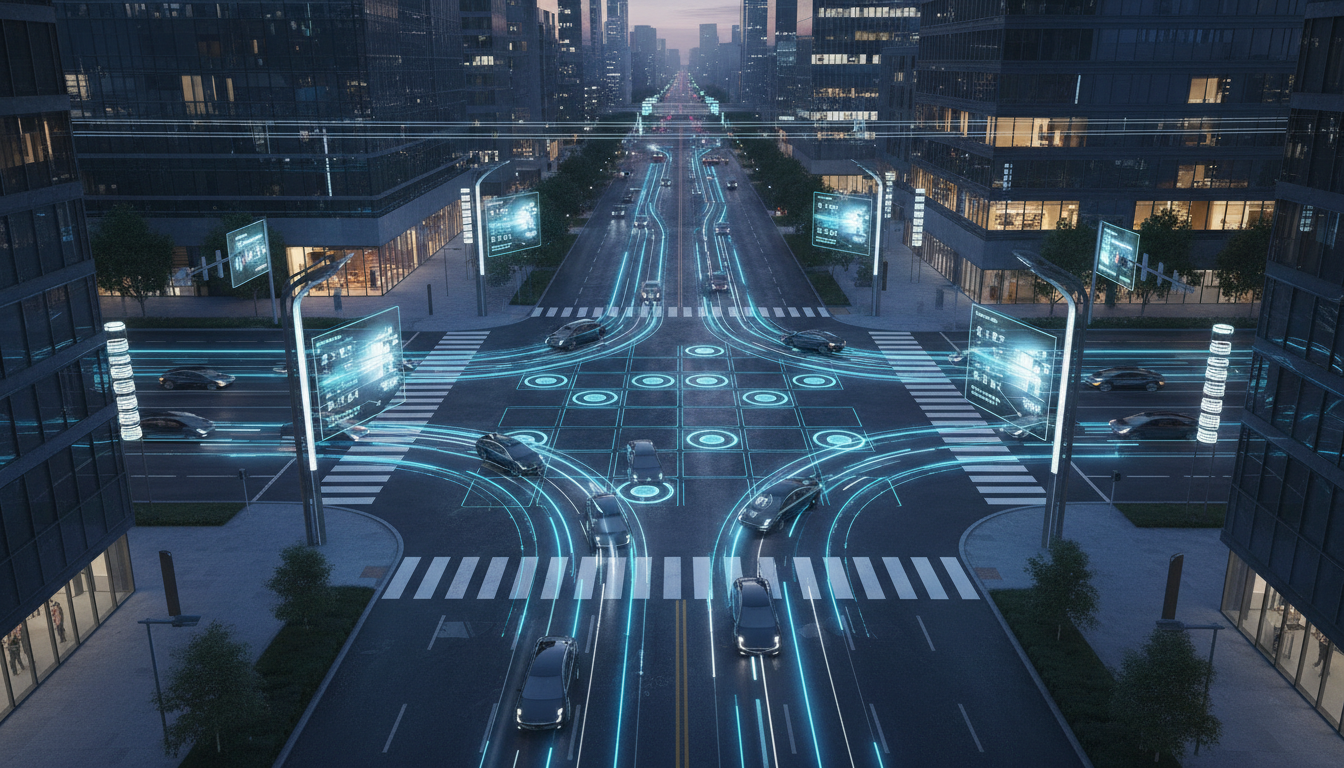
Transportation is one of the key areas where AI makes a significant impact in Florida's smart cities. By analyzing traffic patterns and predicting congestion, AI systems help optimize traffic flow, reduce travel times, and decrease emissions. Intelligent traffic lights and autonomous vehicles are increasingly being integrated into urban transport systems, offering safer and more efficient travel options.
Public transportation networks are also benefiting from AI. Predictive analytics improve scheduling and route planning, enhancing the reliability and efficiency of buses and trains. This connectivity helps reduce the dependency on personal vehicles, contributing to a more sustainable urban environment.
Energy Management and Sustainability
AI technology is crucial in managing energy consumption and promoting sustainability in Florida's smart cities. By monitoring and analyzing energy usage patterns, AI systems can identify inefficiencies and suggest optimizations, leading to reduced energy costs and environmental impact.
Smart grids powered by AI facilitate real-time energy distribution, ensuring that electricity is used optimally across the grid. This approach not only enhances energy efficiency but also supports the integration of renewable energy sources, such as solar and wind power.

Enhancing Public Safety
Public safety is another area where AI's influence is profound. In smart cities, AI-powered surveillance systems and data analytics improve emergency response times and crime prevention efforts. By analyzing data from various sources, authorities can identify potential threats and deploy resources more effectively.
Furthermore, AI helps in disaster management by predicting natural calamities and optimizing evacuation routes, ensuring that communities are better prepared for emergencies.
Citizen Engagement and Services
AI is transforming how citizens interact with city services. In Florida's smart cities, AI-driven platforms provide residents with real-time information on public services, events, and city updates. Mobile apps and online portals make it easier for residents to access essential services and communicate with city officials.
By fostering greater transparency and engagement, AI helps build trust between citizens and local governments, empowering communities to participate actively in shaping their urban environment.

The Future of Smart Cities in Florida
As Florida continues to embrace the smart city model, the role of AI will only grow in importance. The ongoing development of AI technologies promises even more innovative solutions for urban challenges, driving further improvements in sustainability, efficiency, and quality of life.
By investing in AI and smart infrastructure, Florida is setting a benchmark for other regions to follow, paving the way for a future where connected communities thrive in harmony with their environment.