
The Future of Smart Cities in Florida: Integrating AI Solutions


Introduction to Smart Cities
Florida is at the forefront of a technological revolution, embracing the concept of smart cities to enhance urban living. By integrating AI solutions, these cities aim to improve infrastructure, enhance public services, and create a sustainable future.
Smart cities utilize a network of connected devices and sensors to gather data and make real-time decisions. This technology is transforming how cities operate, offering a more efficient and responsive approach to urban management.
AI in Urban Planning
The integration of AI in urban planning is a game-changer for Florida's cities. By analyzing vast amounts of data, AI can help city planners make informed decisions about zoning, transportation, and resource allocation.
AI-driven simulations can predict the impact of new developments, ensuring that infrastructure keeps pace with growth. This proactive approach helps in creating resilient and adaptable urban environments.
Enhancing Public Services
AI solutions are revolutionizing public services in smart cities. From traffic management to waste collection, AI-driven systems optimize operations, reducing costs and improving efficiency.
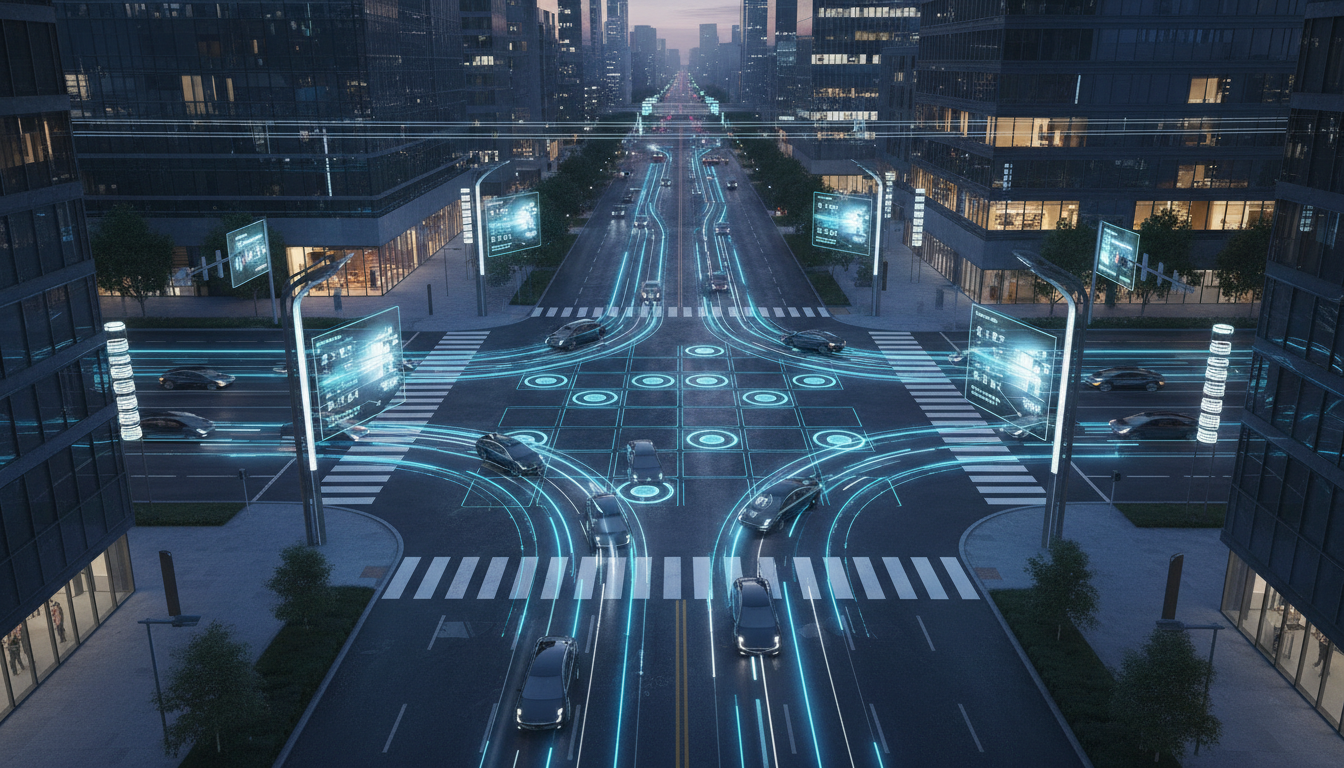
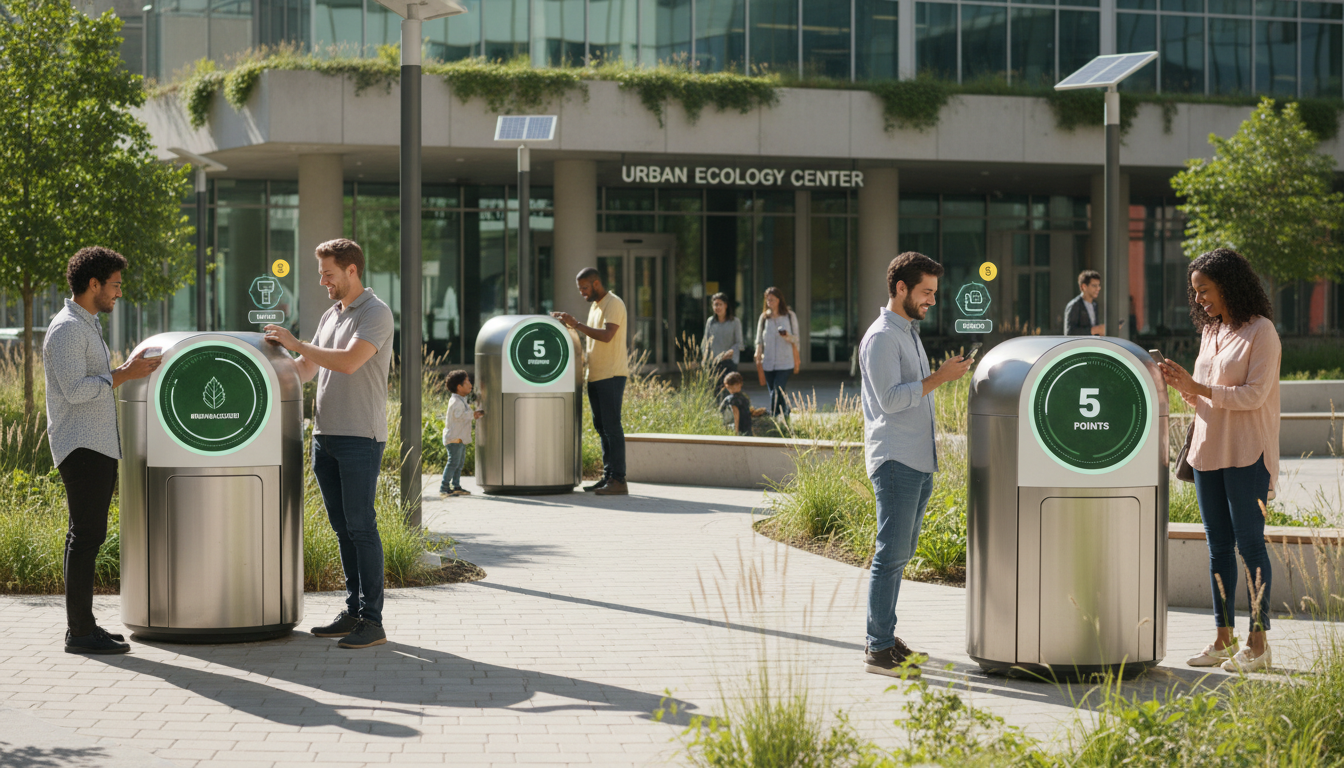
For instance, AI-powered traffic management systems can analyze real-time data to adjust traffic signals, reducing congestion and improving commute times. Similarly, smart waste management systems can optimize collection routes, minimizing environmental impact.

Sustainability and Environmental Impact
Smart cities in Florida are committed to sustainability, and AI plays a crucial role in achieving these goals. By monitoring energy consumption and optimizing resource use, AI helps reduce the environmental footprint of urban areas.
AI-driven energy management systems can predict peak usage times and adjust energy distribution accordingly, leading to more efficient energy use and reduced emissions.
Challenges and Considerations
While the benefits of AI in smart cities are significant, there are challenges to consider. Data privacy and security are paramount, as the integration of AI involves collecting and analyzing vast amounts of personal information.
Ensuring equitable access to technology is also crucial. Policymakers must work to bridge the digital divide, ensuring that all citizens benefit from the advancements in smart city technology.
The Road Ahead
The future of smart cities in Florida looks promising, with continued advancements in AI technology paving the way for more efficient, sustainable, and livable urban environments. Collaboration between government, private sector, and communities will be key to realizing this vision.
As AI technology evolves, so too will the capabilities of smart cities, offering exciting opportunities for innovation and growth in Florida's urban landscapes.